


Personal Branding For Women
How To Do Personal Branding For Independent Women?
Personal branding is not just a buzzword. It is the key to empowering independent women to own their narrative and stand out in a crowded world. Whether you are an entrepreneur launching a startup, a freelancer forging your own career path, a creative professional showcasing your art, or an executive climbing the corporate ladder, your personal brand is your reputation and story rolled into one.
It is how you present your unique value to the world and ensure that opportunities find you, from clients and partnerships to jobs and speaking gigs. As Jeff Bezos famously said, your personal brand is what people say about you when you are not in the room. Branding for women professionals means proactively shaping that conversation instead of leaving it to chance.
In today’s landscape, more women than ever are forging their own independent careers. With millions of talented independent women stepping into leadership, the challenge is making sure you get noticed and appreciated. The answer lies in building a strong personal brand that highlights who you are, what you stand for, and the value you deliver. This is not about creating a fake persona or bragging; it is about authentically telling your story and claiming your space at the table. A compelling personal brand will increase your visibility, instill trust in your audience, and open doors that might otherwise stay closed. Advancing your personal reputation boosts your perceived worth and ensures your voice is heard even when you are not in the room.
In this comprehensive guide, we will walk through personal branding for independent women step by step. You will learn what personal branding really means and why it matters especially for women. We will then dive into a personal branding process, from self-discovery and defining your message to building your online presence and networking with intention.
Along the way, we will draw inspiration from strong female personal brand examples of independent women who have built empowering brands. By the end, you will have plenty of actionable tips to start crafting your own authentic brand. Your story, voice, and vision are powerful, and the world needs to hear them.
Understanding Personal Branding for Independent Women
Personal branding is the practice of marketing yourself and your career as a brand. It is the combination of your reputation, values, skills, and personality. This goes far beyond a nice logo or polished social media profile. Personal branding is about authenticity and consistency, which means aligning how you speak, act, and show up with what you want to be known for. It involves the stories you tell, the causes you champion, the expertise you demonstrate, and even the visual style you use in presenting yourself. Think of it as the answer to who you are, what you stand for, and why someone should trust or remember you. When done right, your personal brand conveys a clear, unique identity that separates you from the crowd.
For independent women, personal branding is especially powerful. Unlike a traditional corporate trajectory where your work might speak for itself, independent careers often require actively promoting your own abilities and projects. Personal branding for women in this context means taking control of your narrative and not being shy about your strengths.
Branding for women does not mean changing who you are to fit an image. Rather, it is about highlighting your best, most authentic self so that the right people and opportunities are drawn to you. It also means being intentional by deciding how you want to be perceived and then living that out in everything you do.
One common misconception is that personal branding is self-promotion or ego. In truth, personal branding is about service and clarity. It is making it easy for others to understand who you are and how you can contribute value. In a world where attention is limited, having a well-defined personal brand ensures you leave a consistent impression. This not only benefits you but also helps the people you interact with, whether that involves potential clients recognizing your expertise or collaborators knowing immediately what you bring to the table. When you clarify your brand, you are actually helping others find the right person for the job or opportunity.
Authenticity is the heart of personal branding. As an independent woman, you might wear many hats and operate in diverse spaces, but your core values and personality should shine through everywhere. Authentic personal brands resonate deeply because they are memorable and trustworthy.
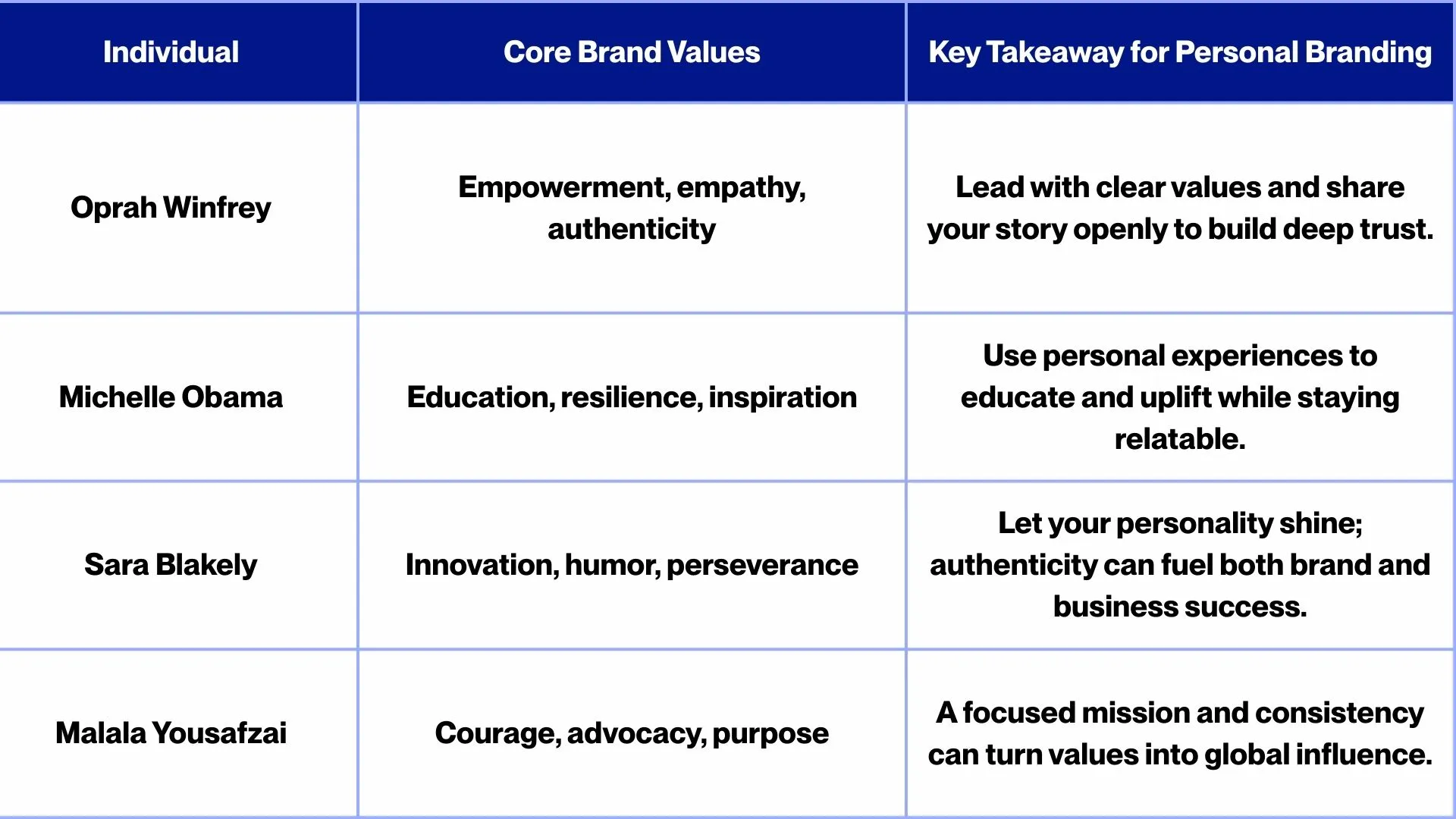
For example, media mogul Oprah Winfrey built a personal brand synonymous with authenticity, empathy, and empowerment, and that consistency has made her one of the most trusted figures in the world. Your goal is to develop a brand that genuinely reflects who you are so you can attract opportunities that align with your passions and values.
Why Personal Branding Matters for Independent Women
You might wonder why you should care about personal branding as an independent woman. The simple answer is that it can be a game changer for your career or business. There are several compelling reasons why personal branding is especially important for women.
Increase Your Visibility and Credibility
In any field, standing out is half the battle. A strong personal brand differentiates you from the competition and makes you more visible. Rather than being a secret, you become the go-to person in your niche. This visibility leads people to view you as an expert or leader, which boosts your credibility. While women are often underestimated in terms of leadership potential, a clear and confident personal brand can disrupt that narrative by showcasing your capabilities upfront. When you articulate who you are and the value you offer, others are more likely to recognize and respect your expertise.
Open Doors to New Opportunities
Personal branding directly impacts the opportunities that come your way. When decision makers know what you stand for and see the consistent value you deliver, you will start attracting the right kinds of offers. This could include high profile projects, clients, or partnerships. Women who actively articulate their value are more likely to gain recognition and receive promotions or high profile assignments. For entrepreneurs and freelancers, a well known personal brand can bring in new clients and collaborations without you always having to chase them. Your brand works as your silent advocate by marketing you even when you are not actively pitching yourself.
Combat Bias and Stereotypes
Women still face biases and double standards in many industries. Unconscious bias can cause others to make assumptions about your abilities or commitment, especially in male dominated fields. This is where personal branding becomes a form of empowerment. By deliberately crafting your narrative, you fill any voids in how people perceive you with a strong, evidence-backed story. This leaves less room for biased assumptions. If you are an executive or a founder, showcasing your accomplishments and leadership style through your brand can preempt questions about your qualifications. You control the storyline by highlighting facts like your results, skills, and vision. Personal branding helps level the playing field by countering stereotypes with your authentic narrative and achievements.
Build Trust and Relationships
People want to do business with those they know, like, and trust. Your personal brand helps establish that trust by consistently communicating your character and values. By sharing your journey, including your struggles and triumphs, you become more relatable. Colleagues, clients, and followers feel like they know you, and that rapport can translate into a strong support network. Many women are naturally hesitant to promote themselves due to cultural norms or fear of backlash. Think of personal branding not as boasting, but as telling your story in a way that others can champion. A clear brand actually makes it easier for mentors, sponsors, or clients to advocate for you because they can easily convey what you are all about. Your brand equips your allies with the talking points to sing your praises even when you are not around.
Boost Confidence and Overcome Imposter Syndrome
Crafting your personal brand can be an incredibly empowering process. It forces you to recognize your own strengths, clarify your goals, and take pride in your identity. By articulating your wins and sharing your expertise, you reinforce your own sense of worth. Over time, this can reduce the imposter syndrome and self-doubt that many high achieving women experience. Each piece of content you create or each update to your professional bio can serve as a confidence building exercise. You are essentially saying that you have something valuable to offer and you own it. A well-defined brand becomes a touchstone you can return to whenever doubt creeps in. It is a reminder of who you are and the value you bring.
Accelerate Career Growth and Business Success
In practical terms, personal branding can fast track your goals. If you are job seeking or angling for a promotion, know that nearly all hiring managers today check the online presence of candidates. Most hiring managers value candidates who maintain a strong professional social media presence relevant to their career. Your digital profile, portfolio, or thought leadership posts could be just as important as your resume. For entrepreneurs and consultants, your personal brand often is your business brand. Thought Leadership Strengthens Personal Brand!
A strong brand will attract higher quality clients willing to pay premium rates because they have come to trust your authority. It also helps in fundraising and partnerships, as investors and collaborators often bet on the person behind the venture. When you have branded yourself as a passionate expert with a clear mission, you become a magnet for resources and opportunities that fuel your success.
In summary, personal branding for independent women is a strategic asset rather than a vanity project. It amplifies your voice in a world that needs more diverse voices and positions you to achieve your dreams on your own terms. An authoritative personal brand can help women bridge leadership gaps and navigate changes in a shifting business landscape. By investing in your brand, you are investing in your future self.
Step-by-Step Guide: Personal Branding Steps for Independent Women
Building your personal brand is a journey that involves self-discovery, strategy, and consistent action. Do not worry if you are starting from scratch; every successful woman’s brand began with a single first step. In this section, we break down the personal branding process into clear stages so you can work on each piece methodically. Follow these steps to craft a brand that truly represents you and resonates with your target audience.
Step 1: Self-Reflection: Identify Your Unique Identity and Values
Every great personal brand starts with knowing yourself. Before you think about websites or social media, take time for deep self-reflection. This foundational step is about understanding who you are and what you stand for. Consider it the discovery phase of your brand.
First, define your core values. Think about the principles that guide you in life and work. You might value creativity, integrity, innovation, compassion, or empowerment. Your values will become the bedrock of your brand, as they influence how you make decisions and how you connect with others. For example, if authenticity is a core value, your brand should consistently reflect honest communication and a genuine personality.
Next, recognize your strengths and passions. Make a list of your key skills, talents, and the passions that light you up. Consider what you do better than most and the topics or activities you could focus on for hours. Your personal brand should highlight these strengths. If you are an expert at graphic design or financial analysis, those belong front and center in your branding. Likewise, if you are deeply passionate about sustainable living or women’s education, incorporating those passions can differentiate your story. The goal is to find the intersection of what you are good at and what you love doing. That sweet spot is often your unique value.
Finally, craft a personal mission or vision statement. Try writing a single sentence that captures your purpose. For instance, you might say you are on a mission to help small businesses grow through data-driven marketing, or that your passion is empowering women to achieve financial independence. This statement does not have to be public-facing, but it serves as a guiding star for your brand. It clarifies the impact you want to have and keeps your efforts focused.
Take Oprah Winfrey as an example. Part of her brand identity is rooted in her personal values of empathy and connection. When you think of Oprah, you think of authenticity and inspiration. This is not an accident; it is because her brand has always been aligned with her inner values and purpose. Similarly, Michelle Obama built her brand around values of resilience, education, and well-being, consistently promoting causes that reflect who she is.
Spend quality time on this introspection. You might journal your answers to questions about what you want to be known for, what kind of legacy you want to leave, or which few words you want people to associate with you. Getting clear on these will give you a strong foundation for the next steps.
Step 2: Define Your Audience and Goals
With a solid grasp of your identity, the next step is to consider who you are trying to reach and what you want to achieve with your personal brand. Branding is not done in a vacuum; it is about connecting with others. Defining your target audience and goals will ensure your brand messaging hits the mark.
First, identify your target audience. Think about who needs to know about you. These could be potential clients or customers, industry peers and influencers, recruiters, or hiring managers in your field. They might even be investors or media outlets. Describe your ideal audience in as much detail as possible, including their roles, needs, and what they might be looking for.
For example, if you are a freelance graphic designer, your target might be small business owners who need design help. If you are a startup founder, your audience could be prospective customers and venture capitalists. Knowing your audience helps tailor your brand voice and platforms. It is better to be meaningful to a specific group than generic to a broad crowd. You should not try to appeal to everyone.
Next, set clear goals for your brand. Determine what you want your personal brand to accomplish for you. This could include tangible goals like attracting new clients, landing a speaking opportunity at a major conference, or getting a job offer in senior management. Goals could also be qualitative, such as being recognized as a thought leader in sustainable fashion or building a network of mentors in your industry. Having goals will guide your branding strategy.
For instance, if your goal is to become a thought leader, you might focus on content creation like blogging or webinars. If your goal is to land a job, you might concentrate on networking events. Every action you take should align with the outcomes you are seeking.
Finally, understand your audience’s needs and pain points. Once you know who you are speaking to, think about why they would care about you. Consider what problems you can help them solve and what value you can add to their life or business. Your audience may struggle with something you have expertise in, which gives you the opportunity to position your brand as the solution they need.
For example, an independent leadership coach might know her audience of mid-career women often faces imposter syndrome, so she can shape her brand content around confidence-building tips. By addressing these needs, you make your brand relevant and valuable to them from the start.
Defining your audience and goals is a crucial strategic step. It will influence everything from the tone of your communications to the channels you use. A personal brand for women entrepreneurs targeting global investors will look very different from a brand for a lifestyle blogger targeting millennial women. There is no one-size-fits-all approach, as your audience determines where and how you should show up.
Keep in mind that your brand can evolve as your goals shift. Early on, you might target one niche and later expand. Starting with a clear focus will help you gain traction faster, and as you grow, your reputation will naturally spread to adjacent audiences.
Step 3: Craft Your Personal Brand Message and Story
Now that you know who you are and who you are targeting, it is time to craft the message you want to convey. This step is about articulating your unique value proposition, which is essentially what makes you different and worth paying attention to, and shaping your personal brand story.
First, develop your unique selling proposition. Just like a company has one for its products, you have one as a professional. Ask yourself what sets you apart from others in your field. This might be a particular combination of skills, such as being a coder who is also a visual artist. It could be your perspective or approach, like using humor in a traditionally serious industry. It could even be your personal background that gives you unique insight. Summarize this in a concise statement that tells people why you are unique. This statement can be used in your bios, your elevator pitch, and anywhere you need to signal your value quickly.
Next, write your personal brand statement or tagline. Try boiling down your brand into one punchy line that captures your role and your impact. It should include your title plus a specific outcome. For instance, you might be a financial coach helping women entrepreneurs achieve prosperity with confidence. A good personal brand statement is clear, specific, and solution-oriented. You can use this in your social media headlines or on your personal website to immediately signal your identity and mission.
Then, shape your story. While facts tell, stories sell. Your personal brand story is a narrative that ties together your background, your purpose, and where you are headed. It is the human element that makes your brand memorable. To build yours, outline key chapters of your journey, such as how you got started, what challenges you have overcome, and what inspired you.
Highlighting turning points where you learned something important or pivoted is especially effective. For example, Arianna Huffington often shares how burnout led her to prioritize wellness and found Thrive Global. That personal story is central to her brand. Do not shy away from vulnerability where appropriate; sharing challenges and how you conquered them can create a strong emotional connection and show that you are resilient.
Finally, keep your messaging consistent and authentic. Once you have your key messages, ensure you integrate them everywhere. Consistency is what makes a brand stick. Use similar wording across your online profiles and repeat your key themes regularly in your content. This does not mean sounding like a robot, but rather reinforcing the same core ideas so people remember them. Most importantly, make sure everything still sounds like you. Authenticity is crucial. If your messaging feels forced or overly salesy, it will turn people off. Speak in a tone that is natural to you, whether that is warm, witty, or bold.
By the end of this step, you should be able to clearly answer what you do and what you are about in a way that sparks interest. Instead of giving a generic job title, you will have a compelling elevator pitch that makes you memorable. This clear communication forms the core of your personal brand.
Step 4: Establish Your Online Presence and Personal Brand Image
In today’s digital age, your online presence is essentially your storefront. It is often the first impression people have of your personal brand. This step is about bringing your brand to life through the platforms and visuals that represent you. Think of it as building your brand’s home base and making sure it looks and feels consistent with your message.
First, claim your professional profiles. Start with LinkedIn, which is a necessity for almost all independent professionals and entrepreneurs. Ensure your profile is fully optimized by using a professional headshot that reflects your personality, whether that is friendly and approachable or bold and dynamic. Write a headline that includes your personal brand statement and craft a compelling summary that tells your story and highlights your achievements.
Next, consider other platforms relevant to your field. For instance, designers might focus on Instagram or Behance, while writers might use a blog to share insights. Register a personal domain name under your own name. Even if you are not building a full website yet, securing your name across platforms ensures that when people search for you, they find you rather than someone else.
Building a personal website or portfolio is another strong asset. It gives you full control over your narrative and content. It does not have to be expensive; even a simple one-page site can make a difference. Use your site to curate an about me section, a portfolio of your work, and your contact information. You can also include a blog to share updates, which helps more people discover you through search engines. Make sure the design of your website matches your brand vibe, such as being elegant and minimalist or colorful and creative. Choose a consistent color scheme and readable fonts. Since you are the face of your brand, high-quality photos are important. If possible, consider a personal branding photoshoot to get pictures of you in action.
Consistency across all platforms is vital. Use the same name, profile photo, and a similar bio across your profiles so that everything feels connected. Consistency builds trust. If someone sees your social media and then your LinkedIn, it should be obvious that they belong to the same person. This also applies to your visual branding and tone of voice. If your brand voice is motivational on one platform, it should not feel dry and formal on another. Aim for a unified impression everywhere you appear.
Creating content that showcases your expertise is how you build credibility. Depending on your strengths, choose formats that work for you, such as writing articles, recording short videos, or sharing personal branding case studies. The content you share should reinforce your brand message. For example, if you want to be known as a skilled designer, you might share design tips or before-and-after samples of your work. Sharing your ideas publicly not only boosts your credibility but also widens your reach. Remember to be authentic and useful. You do not need to project perfection; sharing lessons from failures can create a strong connection with your audience.
Finally, mind your online reputation. Periodically search for your own name to see what comes up and ensure it aligns with your brand. If there are old posts that do not fit your professional image, clean them up or adjust your privacy settings. Showcase positive press or guest posts by linking them on your site. Respond professionally on social media, as those interactions can be seen by potential clients or employers. Assume that anything you put online might be seen by your audience, so make sure it contributes to the story you want to tell.
By the end of this step, you should have a cohesive online ecosystem. When someone lands on any of your pages, they should get a clear sense of who you are through a consistent professional image. A polished online presence is often the catalyst for new opportunities, and each new project you share adds further value back into your brand.
Step 5: Network and Build Meaningful Relationships
Personal branding does not happen in isolation. It grows and flourishes through relationships. While networking may sound intimidating, think of it simply as connecting with people. As an independent woman, building a strong network can exponentially amplify your personal brand. When done right, networking is not about self-serving agendas; it is about genuine relationship building, mutual support, and visibility in the circles that matter to you.
First, connect with your industry peers and communities. Start by engaging in groups or forums where your target audience and fellow professionals hang out. This could mean joining professional associations or online communities geared toward women’s professional growth. Participate actively by sharing your insights, asking questions, and supporting others. Regular engagement puts your name on the radar and organically demonstrates your expertise. Consider also attending webinars, workshops, or conferences related to your field. Each event is an opportunity to expand your network and learn something new.
Next, seek out mentors, sponsors, and collaborators. Identify people you admire who have experience that could benefit you. Many successful women are eager to support others, so do not be afraid to reach out respectfully. Mentorship can provide guidance, while sponsorship can significantly boost your advancement. Build these relationships by offering value in return, perhaps by assisting on a project or keeping them updated on your progress. You should also build friendships with peers at your level, as they can be your greatest cheerleaders. Collaborations, such as co-hosting a workshop, can cross-pollinate your audiences and strengthen your brand by association. Remember that networking is a two-way street; being known as someone who helps others is a fantastic brand booster.
When you show up in person, think about how you present your brand. Have your quick self-introduction ready so that you can confidently answer questions about what you do in a memorable way. More importantly, be a good listener. Ask others about themselves and look for ways you can help or connect on a human level. By being generous and insightful in conversations, people will remember you. Over time, as you contribute to discussions and consistently show up, you will become known in your circles as a reliable expert.
Finally, leverage social networking strategically. Follow key people in your industry on social media and engage with their content. A thoughtful comment on a professional post can spark a new connection. Ensure that when people glance at your profile, it clearly reflects your brand and provides a link to learn more about you. Social networking allows you to connect from anywhere and often bypasses traditional gatekeepers. Many women have built powerful networks by consistently being authentic online. Just remember to keep it professional and aligned with your brand at all times.
Networking will not yield results overnight. It is like planting seeds, where each interaction could grow into a client, a job offer, or a supportive friend. From a branding perspective, a robust network means more people amplifying your brand and mentioning your name in rooms you have not entered yet. Your network becomes an extension of your personal branding team, spreading your reputation via word of mouth. Visibility is power, and networking is one of the best ways to increase that visibility in a sincere, human way.
Step 6: Demonstrate Consistency and Authenticity
By now, you have put many pieces of your personal brand into play, including your message, your online presence, and your networking outreach. This final step is an ongoing commitment to staying consistent and authentic in everything you do. Consistency and authenticity create trust, which is the currency of a powerful personal brand.
Be consistent in your brand presentation. This means sticking to your core themes and values in every arena. If someone reads your blog, checks your social media, and then meets you in person, they should encounter a cohesive impression. While you can share different facets of your life on different platforms, your underlying personality should align. Use your brand voice consistently; if you usually have a friendly tone, do not suddenly switch to a cold, formal one. This reliability makes you professional and predictable in a good way. Additionally, maintain a regular schedule for showing up, whether that involves a weekly post or a monthly networking call. Staying active keeps your brand at the front of people’s minds.
Stay authentic and true to yourself. Consistency does not mean you cannot evolve, but that evolution should be grounded in genuineness. Authenticity is your secret weapon because it fosters real connections. Always ask yourself if a branding decision feels true to you. If a certain platform or format does not feel right, do not force it. Instead, play to your authentic strengths. Be honest in your storytelling and do not claim skills you do not have. Many women find that being open about their learning journey or overcoming obstacles actually strengthens their brand because it is relatable. People can spot inauthenticity easily, so align your brand with your real principles to attract the right opportunities.
Adapt and evolve while maintaining your core. As you grow, your career may take new turns. Your personal brand should evolve with you, but changes should be made thoughtfully. If you pivot industries, communicate that shift to your audience so they can follow your journey. Think of your brand as a consistent thread that runs through various projects. This thread might be your unique approach or a specific worldview that remains steady even as your job title changes. By keeping your core values stable, you ensure your brand stays recognizable throughout your career.
Finally, deliver on your brand’s promise. Ultimately, your personal brand is only as strong as the results you deliver. If you brand yourself as an expert, you must consistently produce quality work and meet your commitments. Every interaction, from how you respond to emails to how you handle difficult clients, contributes to your reputation. Strive for excellence in line with what you have promised. Over time, people will see a track record that matches your branding, turning your words and images into a real legacy.
Congratulations on following these steps. You are well on your way to establishing a brand that is strong, authentic, and uniquely yours. Building a brand is a marathon, not a sprint, so stay patient and persistent. Each action you take plants a seed for future opportunities.
Inspiring Examples of Strong Female Personal Brands
One of the best ways to understand personal branding is to see it in action. Here are a few independent women from diverse fields who have built powerful personal brands. These examples illustrate how clarity, authenticity, and consistency can translate into an influential reputation.
Oprah Winfrey: Empowerment and Authenticity
Often dubbed the queen of personal branding, Oprah is a shining example of a brand built on a clear mission. Coming from humble beginnings, she crafted a public persona synonymous with empathy, inspiration, and empowerment. Through her media empire, she consistently shared real, heartfelt stories, including her own struggles and triumphs. This created a deep trust with her audience. Oprah’s brand message has always been about helping people live their best lives, whether she is producing television, speaking, or curating books. The result is that she is one of the most trusted women on the planet. People feel like they know her personally, which is the hallmark of an excellent brand. The lesson here is to identify core values and live them out loud.
Michelle Obama: Inspiration and Education
As a former First Lady turned author and advocate, Michelle Obama has established a personal brand that resonates far beyond politics. Her brand centers on resilience, empowerment, education, and well-being. Her authenticity shines in how she openly discusses challenges she faced, from work-family balance to public scrutiny, making her relatable to women everywhere. Her memoir and her public initiatives align perfectly with her brand values. Whether she is speaking on stage or appearing in casual interviews, she exudes warmth, confidence, and intelligence. She has mastered the art of personal storytelling by framing her experiences as lessons for others. This shows that a personal brand can be both aspirational and approachable.
Sara Blakely: Innovation and Humor
Sara Blakely, the founder of Spanx, offers a fantastic example of how an entrepreneur’s personal brand can fuel her business success. Her brand is all about innovation, perseverance, and making business fun. Instead of portraying a dry corporate image, she made her brand relatable and quirky. She often uses humor to connect with her audience, sharing stories of her early failures and celebrating big wins with high energy. Her approach to her product was framed around empowering women to feel confident, which mirrored her own journey of problem-solving. Her down-to-earth personality has garnered a loyal following and differentiates her in the business world. This proves you do not have to be afraid to infuse your unique personality into your brand.
Malala Yousafzai: Courage and Advocacy
Malala has built a global personal brand around courage, education, and human rights. While her circumstances were thrust upon her, the way she has embraced her platform is instructive. She consistently presents herself as a passionate advocate for girls’ education and peace. Her speeches and ongoing work all reinforce her singular brand message that one voice can change the world. Despite her fame, she remains humble and focused on her cause, which amplifies her credibility. A strong personal brand can be built on a clear purpose and bravery. By staying laser-focused on her mission, she has become a worldwide symbol of resilience.
These women come from different backgrounds, yet their brands share common threads: clarity of purpose, authenticity, and the intent to inspire others. You do not have to be world-famous to apply these principles. Think of the women in your own industry who have strong reputations. Chances are they consistently demonstrate specific expertise or values. You can achieve the same within your own sphere. As you develop your brand, consider what you want people to say about you when you are not in the room. Your personal brand can make a big difference in your career and in the lives you touch.
Next Steps: Building Your Brand with Confidence and Support
You now have the blueprint for crafting a dynamic personal brand, from introspecting on your identity to projecting it out into the world. The steps and examples covered here are your starting point, but your personal branding journey is an ongoing process. It is normal to refine your message, try new strategies, and learn as you go. The key is to take that first actionable step and keep the momentum moving forward.
Start small, but start today. Do not get overwhelmed trying to perfect everything at once. Pick one or two tasks to focus on this week. You might update your LinkedIn profile and reconnect with a former colleague, or perhaps you draft your personal mission statement and share a post about it. Each small action builds your confidence bit by bit. Consistency grows from habits, so consider integrating branding tasks into your routine by scheduling time each week for these activities.
Embrace your independence as a strength. As an entrepreneur, freelancer, creative, or leader, you have a unique story and perspective. Personal branding is your chance to celebrate that uniqueness. Whether you have navigated industries where women are underrepresented or balanced a family while building a business, these experiences can become powerful elements of your brand. These stories inspire others and set you apart from more conventional paths. Own your story proudly because that authenticity is magnetic.
Always learn and adjust. Pay attention to what resonates with your audience as you put yourself out there. If you notice that certain topics get more engagement or that people frequently ask you about a specific skill, use that feedback to fine-tune your focus. Personal branding is an iterative process where you test, learn, and pivot. Do not be afraid to evolve your brand if your goals or passions change. The strongest brands stay relevant by growing along with the person behind them.
Stay positive and resilient. There might be moments when you feel vulnerable or when you do not see immediate results. Remember that even the most successful women started somewhere and faced doubt. Keep the bigger picture in mind and celebrate small wins, like a thoughtful comment on an article or a new contact made at an event. Those victories are signs that your brand is taking root.
Finally, know that you do not have to do this alone. There are experts and services designed to help independent women shine. If you are looking to accelerate your journey or want professional guidance, consider partnering with a specialist. Agencies like Ohh My Brand specialize in helping women professionals and entrepreneurs craft authentic, impactful brands. Working with experts can provide a customized strategy, from polishing profiles to developing content plans.
At Ohh My Brand, we empower independent women to tell their stories boldly and strategically. If you are ready to take your personal brand to the next level, our team is here to support you. We offer tailored services to clarify your identity, design your visual brand, and grow your presence. Often, the difference between a good personal brand and a game-changing one is an outside perspective and expert finesse.
Your journey is just beginning. Imagine a year from now, where your name comes up in rooms of opportunity and your inbox is full of inquiries from people who feel they already know you. That is the power of investing in your personal brand. Take the next step, revisit the exercises in this guide, and keep believing in the value you offer. Your personal brand is your story and your legacy.
Empower yourself by branding yourself. We look forward to seeing the amazing brand you build and the success that follows. If you need a partner along the way, we are ready to help. It is time to step into the spotlight and own it. Contact OhhMyBrand today to learn more about how to transform your name into a brand that opens doors. Let’s work together to make you not only visible but unforgettable in your field.



.svg)
.svg)
.svg)
.svg)



.svg)